Responsible Robotics

GHANA
Project overview
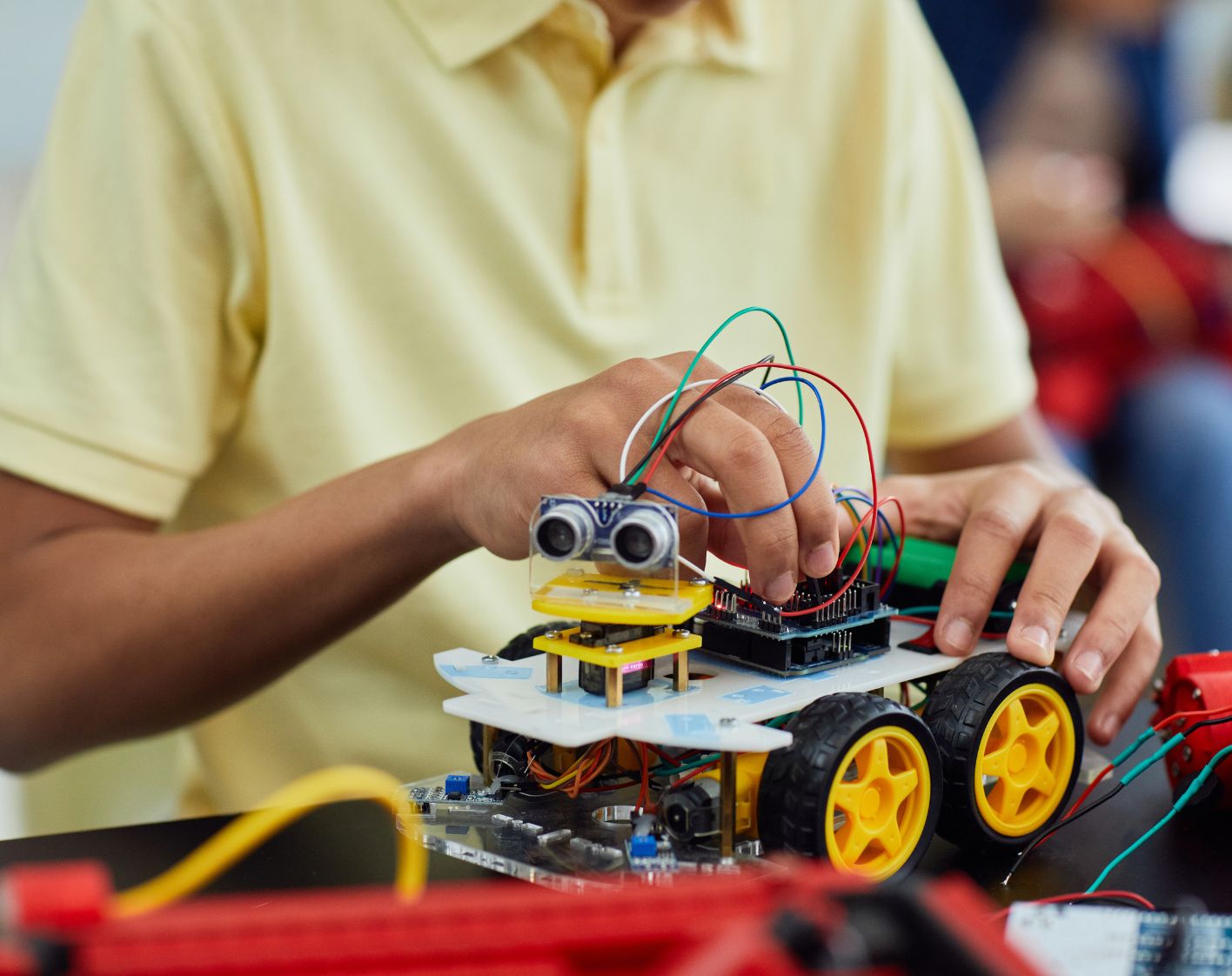
Exploring simple robotic systems, control logic, and collaborative hardware development. This planned initiative connects practical learning with collaborative research, prototyping, and peer feedback. Members can develop their understanding by documenting questions, testing ideas, and sharing what they discover as the work takes shape.
The challenge
Robotic systems bring software and electronics together. Small changes in a control loop can affect physical behaviour, making incremental testing valuable. This proposed learning direction encourages members to understand component limits, review assumptions, and work through manageable experiments with appropriate supervision and care.
Our approach
Teams can begin with a focused question, review relevant concepts, and design a small experiment. Shared reviews help identify assumptions and compare possible approaches. Documenting decisions, limitations, and open questions allows other members to understand the work and contribute to its next stage.
Learning Goals
This initiative is planned. Its starting point is learning, with progress and outcomes to be documented as work develops. Members can build experience in research, experimentation, teamwork, and clear communication. Future updates should explain what was tested, what was learned, and what remains uncertain.